The Downey Body Waxing Questions Most People Don’t Know Where to Ask.
Body waxing usually isn’t confusing because the process is complicated. It’s confusing because people have very specific, very human questions they don’t always feel comfortable asking out loud, like whether waxing during your period is okay, how long results actually last, or what happens if it’s your first time and nerves kick in. This page exists to unpack those real questions and explain body waxing the way clients actually experience it, not the way it’s described in textbooks or quick blog summaries. If you’ve ever caught yourself wondering what’s actually normal after waxing, or questioning whether you did something wrong before your appointment, this section is meant to give you clarity without judgment. For anything related to timing or prep mistakes, it also helps to understand before you wax: prep do’s and don’ts, since many concerns start there.
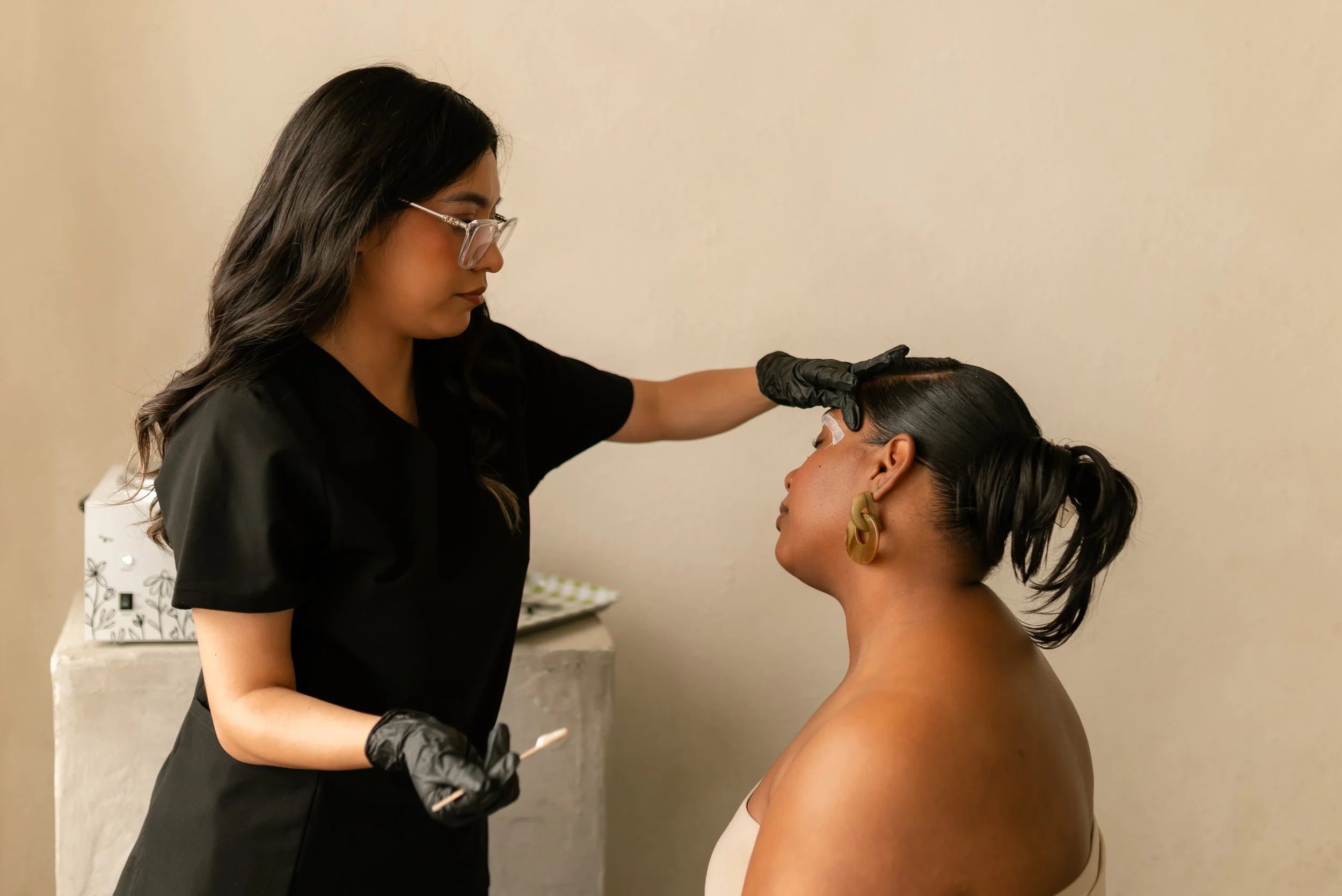

How Downey Body Waxing Fits Into Real Routines and Why People Stick With It.
Body waxing removes hair from the root using soft or hard wax, which is why skin stays smoother longer compared to methods that only cut hair at the surface. Most people don’t think of waxing as a one-time decision but as part of a rhythm, whether that’s maintaining results month to month, planning ahead for summer, or getting ready for a trip or event. Waxing often appeals to people who are tired of daily shaving, dealing with stubble after two days, or managing irritation in areas that don’t respond well to razors. Over time, consistency matters because regrowth often feels softer and more predictable, which makes upkeep easier rather than more demanding. If you’re trying to decide whether waxing fits your lifestyle, it helps to understand how seasonal waxing patterns affect timing and results, especially as schedules shift throughout the year. For a broader medical perspective on hair removal methods and skin response, the American Academy of Dermatology’s overview of hair removal options offers helpful context on why different methods affect the skin differently.
What Makes Waxing Safe (or Not): Risks, Skin Conditions, and When to Pause.
-
This is a common safety check because pregnancy and postpartum hormones can affect circulation, skin sensitivity, and how the skin barrier responds to stress. Waxing is often still possible, but increased blood flow can raise the chance of bruising, tenderness, or prolonged redness. Always disclose pregnancy or breastfeeding beforehand, and pause if the skin feels fragile or reactive. Medical guidance from the American College of Obstetricians and Gynecologists helps explain why skin sensitivity often shifts during pregnancy.
-
Waxing should never be performed on skin that is broken, inflamed, or actively healing. Cuts, rashes, dermatitis flare-ups, and sunburn compromise the skin barrier and increase the risk of infection, delayed healing, and post-inflammatory hyperpigmentation. Waiting until the skin has fully recovered protects both the surface and deeper layers. This is also why proper post-wax aftercare and skin recovery plays such a big role in keeping irritation from lingering longer than expected.
-
Peeling skin, active irritation, recent chemical exfoliation, topical retinoid use, or unusual tenderness are common signals that the skin barrier may not tolerate waxing safely. In these cases, delaying waxing helps prevent inflammation or pigment changes that can linger longer than the hair itself. Many people notice these sensitivities fluctuate with heat, sun exposure, or schedule changes.
Can I Wax If…? Real Answers for Situations That Don’t Fit the Script.
-
This depends on the medication and how your skin is reacting to it. Some prescriptions can make skin thinner, more fragile, or more reactive, which increases the chance of lifting, bruising, or slower healing during waxing. In those cases, waiting until the medication is finished and your skin feels stable again is usually the safer choice. Skin reactions tied to medications are more common than people realize, which is why timing matters more than squeezing in an appointment.
-
If your skin is prone to hives or unpredictable reactions, waxing isn’t always ruled out, but timing matters. Reactive skin often has a weakened barrier, which makes it more likely to swell, welt, or flare when exposed to heat and friction. Waiting until the skin is calm and reaction-free lowers the risk of triggering a bigger response. This is one reason some people explore why clients choose waxing over shaving, since shaving can create repeated irritation when skin is already reactive.
-
This happens more often than people admit. Waxing needs enough hair length to grip properly, and shaving too recently usually leaves hair too short, which can lead to patchy results or unnecessary skin stress. In most cases, waiting about 10–14 days after shaving allows hair to resurface enough for effective removal. Rushing the process often creates more frustration than waiting a little longer.
After Waxing, What’s Actually Normal for Your Skin?
-
That “why does my skin feel like this” phase is common in the first 24 hours, especially if you’re warm, wearing tight clothes, or your skin runs sensitive. Waxing can leave follicles temporarily open and reactive, so moisture and friction feel more noticeable for a day or two. Keeping the area clean, dry, and in breathable fabric usually helps things settle quickly.
-
A small amount of leftover hair doesn’t automatically mean the wax failed. Hair grows in cycles, so some strands may be too short, too fine, or at a different growth stage on the day of your appointment. First-time waxes often look less uniform because shaving creates uneven regrowth patterns. If you’re curious why this happens, how hair growth cycles affect waxing results explains why patchiness is common early on.
-
Most people don’t need to prep or trim before coming in, but extremely long or dense growth can make the first pass harder on the skin. A general guideline is hair long enough for the wax to grip but not so long that it increases pulling, usually around a grain-of-rice length or slightly longer. Even if it’s been months, waxing is still workable; it just takes more care and time. If you’re unsure about timing, prep do’s and don’ts before waxing helps sanity-check what’s typical before and after a session.
Before You Wax, What Actually Matters When You’re Getting Ready.
-
Avoid shaving, aggressive exfoliation, tanning, or introducing new skincare products the day before waxing. These can thin or sensitize the skin barrier, which increases the risk of irritation or lifting during hair removal. Keeping your routine simple for 24 hours gives your skin the best chance to respond predictably. This matters whether you’re preparing for a Brazilian or trying to decide between services like Brazilian vs. Bikini.
-
Yes, showering beforehand is usually helpful as long as you skip lotions, oils, or heavy body creams afterward. Clean, dry skin allows wax to adhere properly without slipping, which improves hair removal efficiency. Think clean skin, not coated skin. Dermatology guidance on skin prep and barrier health supports this approach to reducing irritation .
-
Loose, breathable clothing is ideal, especially for body or Brazilian waxing. Tight fabrics can trap heat and friction right after hair removal, which may prolong redness or sensitivity. Giving your skin room to breathe in the first few hours helps it calm faster and recover more comfortably.